the botanist model
Placed as deep as the
evidence allows.
Most plant ID apps act like oracles. They give you one species name and one number, and when the photo is unclear they make something up. A botanist won't. Vivary works that way too, across three tiers.
tier 01
On-device identification,
family-first.
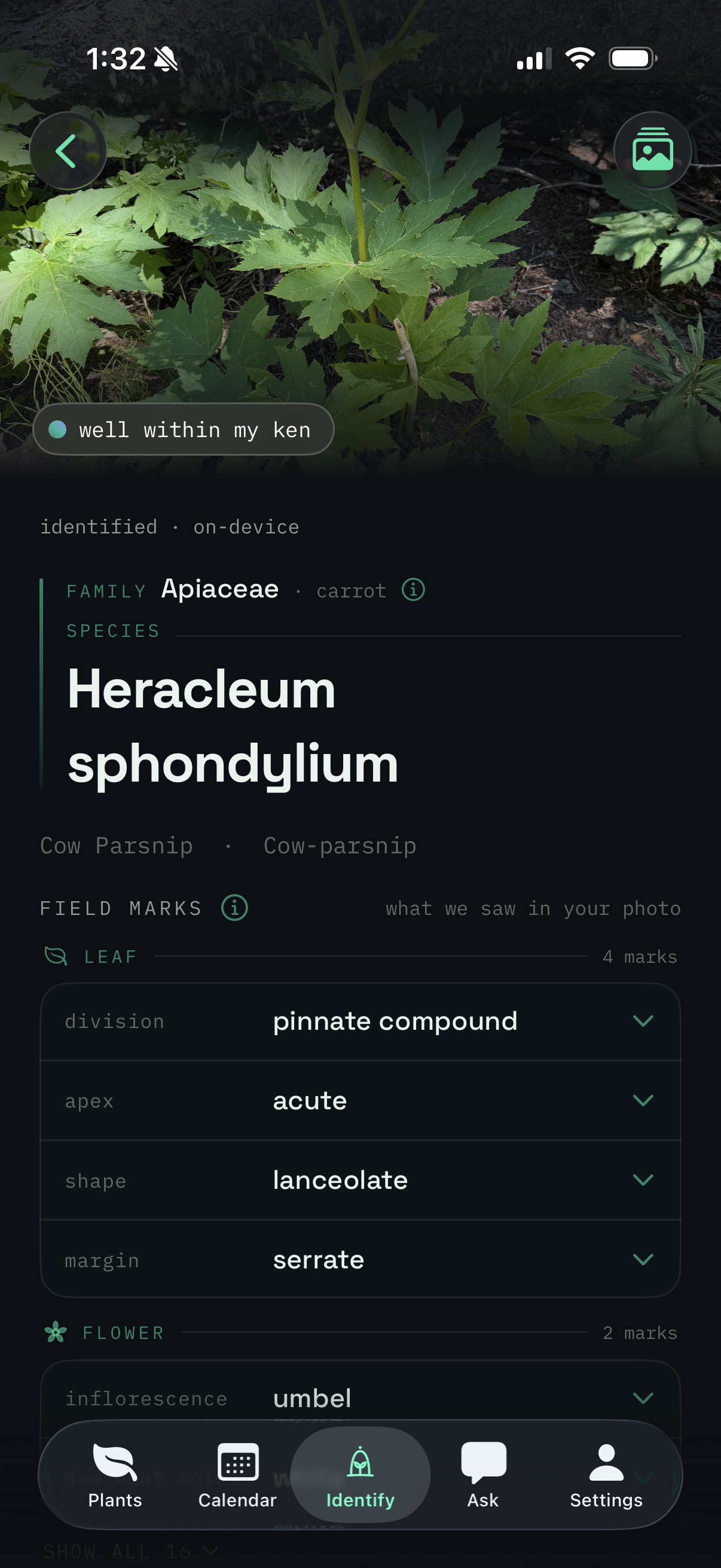
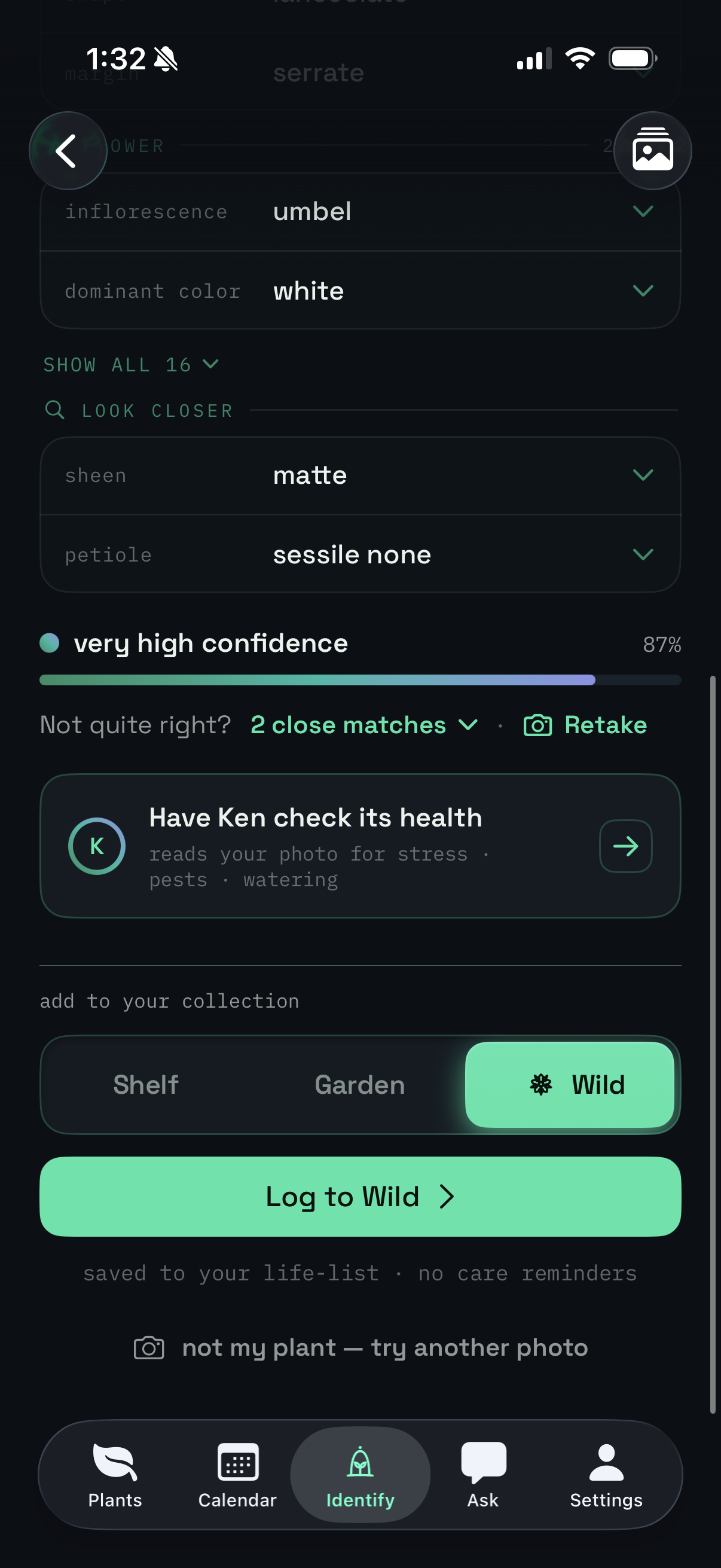
A small model that runs entirely on your phone, trained to see the way a botanist does. It reads family, genus, and species at once, and gives you the most specific level it actually trusts. When it can't reach the species, it hands you the genus or the family instead of throwing up “unknown.”
family→genus→species
Keying to family…Narrowing to genus…Down to species, if it's sure…
on-device · offline · instant
tier 02
Guided capture,
the right close-up.
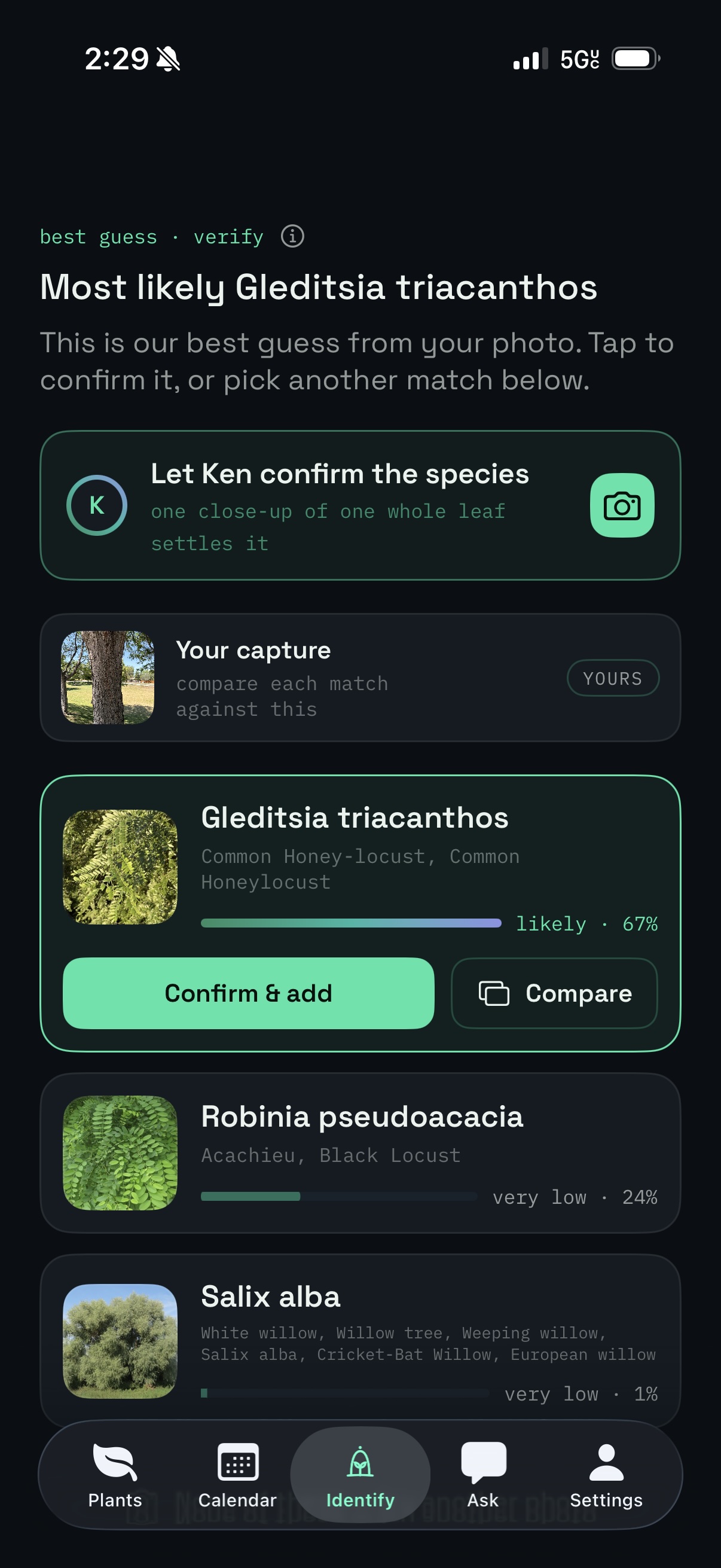
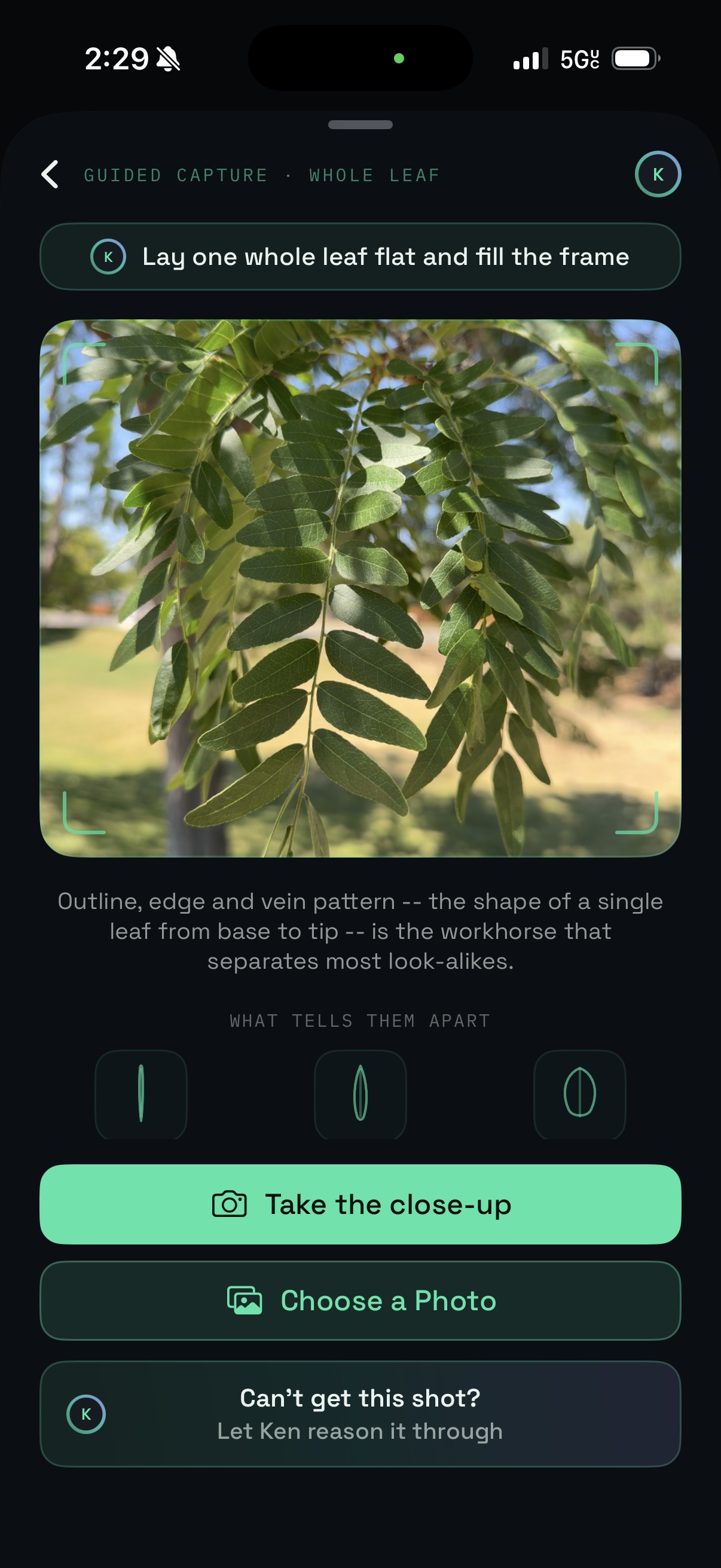
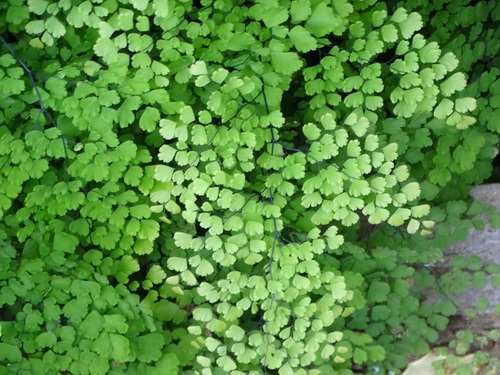
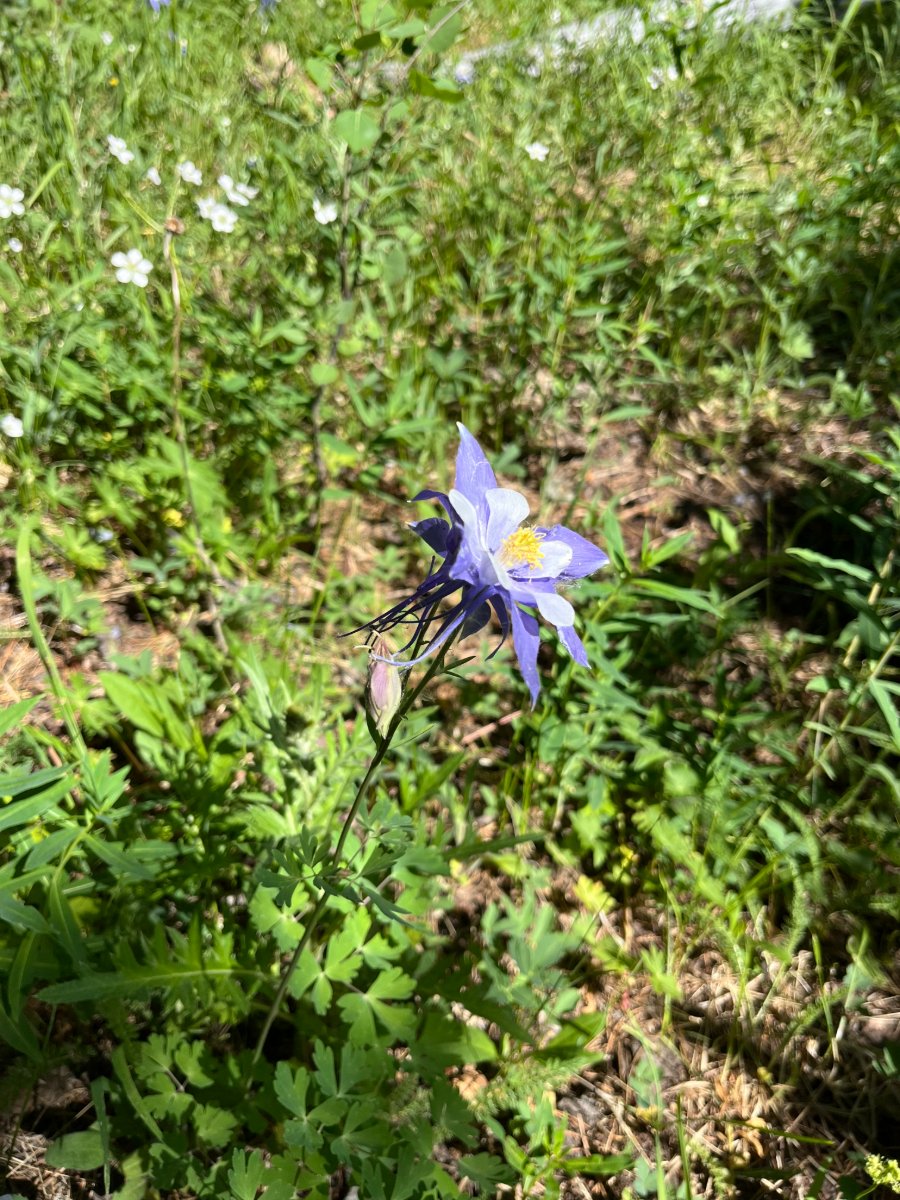
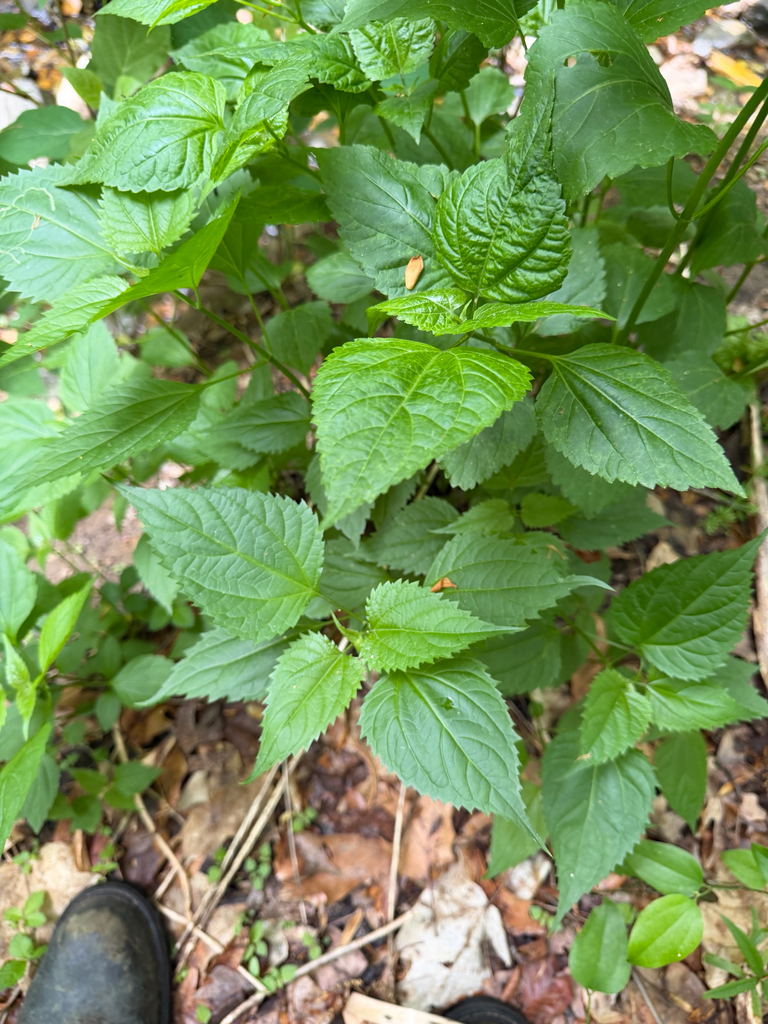
Sometimes the detail that decides it isn't in your photo. Vivary asks for the one shot that would settle it, a leaf up close, a flower, the underside of a fern, and reads that frame instead of guessing from the first.
34%low confidence→94%high confidence
Guided capture takes a low-confidence ID to high confidence with the right photo.
on-device · asks, never guesses
tier 03
K
The Botanist VLM,
reasons it through.
For the plants no catalog covers, a vision-language model works it out in the open: look closely, key it to a family, narrow to a genus, and stay honestly unsure at the species when it should. We grade it on how sound that reasoning is, not just whether it guessed the name.
cloud · reasons from features
“The families our model can't place from a casual photo are, almost one for one, the same families a trained botanist can't place either, for the same reasons. When your identifier fails the way an expert fails, you're modeling the problem, not fighting it.